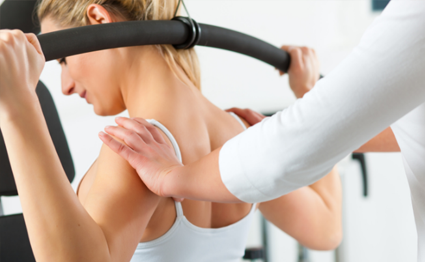
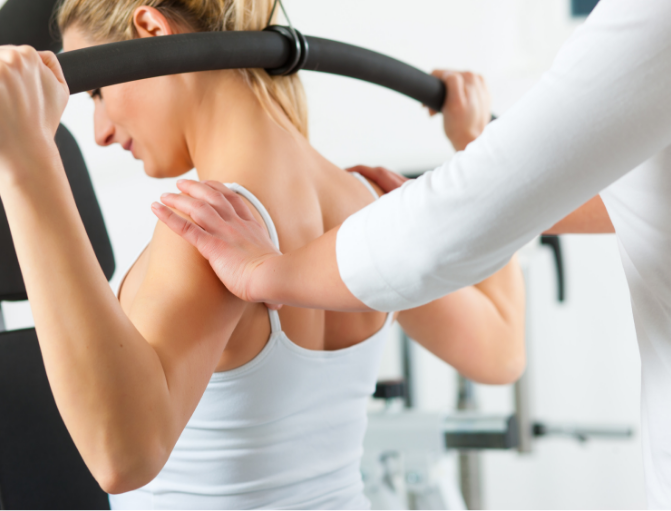
Physiotherapy helps restore or maintain health in people affected by injury, illness, or disability. It is a science-based profession that looks beyond just the affected body part—physiotherapists consider the whole person in their approach to rehabilitation. Active participation in your care is important. Treatments may include manual therapy, massage, acupuncture, electrotherapy, and tailored exercise programs. These techniques aim to:
- Relieve pain
- Improve mobility and reduce stiffness
- Decrease inflammation and muscle tension
- Support and speed up the healing process
What to Expect at Your First Physio Visit
We want you to feel comfortable, supported, and fully informed from the very start. During your first appointment, your physiotherapist will carry out a thorough assessment to understand which structures are contributing to your pain and what might be causing it. Once we know what’s going on, we’ll work with you to create a treatment plan focused on reducing your symptoms, addressing the root cause, and helping you return to the activities you love as soon as possible.
Your first visit will include:
- Complete assessment - Identify the source and cause of your pain.
- Discover your options - Explore the treatments and strategies available to you.
- Start a custom treatment plan - Tailored to your needs and lifestyle.
- Discuss your fitness and health goals - So your recovery aligns with what matters most to you.
Together, we'll set a clear path forward to get you moving, feeling, and living better.
Neurological Physiotherapy
Neurological Physiotherapy is the assessment and treatment of people with disorders of the nervous system. such as stroke, Parkinsons Disease, Multiple Sclerosis and Motor Neurone Disease. Treatment is often aimed at re-learning or re-establishing movement patterns that help us to function to the maximum of our ability and may include techniques such as exercises to re-activate specific muscle groups, joint mobilisations, soft tissue release, balance exercises and acupuncture.
Acupuncture
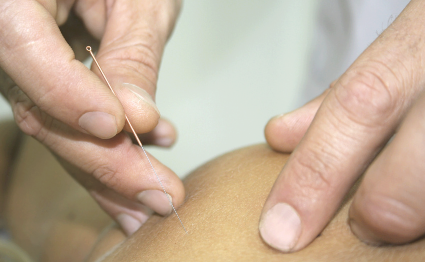
Acupuncture can be used to treat a wide range of health conditions and is generally very safe.
At West Thames Physiotherapy we use acupuncture to treat musculoskeletal conditions such as headache, back pain and osteoarthritic knees.
Acupuncture is thought to work by stimulating nerves and muscle tissue which can positively affect pain, inflammation and the healing process.
Currently the National Institute of Health and Clinical Excellence (NICE) recommend acupuncture as a treatment for low back pain on the basis of scientific evidence.
The physiotherapists at West Thames Physiotherapy who practice acupuncture are members of the Acupuncture Association of Chartered Physiotherapists (AACP) who have a strict code of practice to help ensure safe and effective treatment.
Electroacupuncture involves coupling electrodes with the acupuncture needles to deliver electrical impulses. The added benefit of electroacupuncture is to stimulate pain relief, and to aid relaxation and sleep especially in those with long standing pain.
Physiotherapists are in a unique position being able to combine acupuncture with other beneficial treatment methods such as manual therapy and exercise
Womens Health Physiotherapy
Womens' health physiotherapy is treatment aimed at improving or resolving any issues affecting the pelvis or pelvic floor as well as conditions related to pregnancy both before birth or after. Assessment may include examination of the lower back, hips and pelvis as well as the pelvic floor. Treatment may include manual therapy techniques, connective tissue release, pelvic stability exercises, pelvic floor exercises and advice on exercise, toileting, relaxation and sleep positions.
Treatment is available for pregnancy related conditions such as;
- Pregnancy related back and pelvic pain - antenatal and postnatal
- Diastasis rectus abdominis - separation of the abdominal muscles
- Stress incontinence - leaking with cough, sneeze, laugh or exercise
- Urge incontinence - not getting to the toilet in time
- Bowel problems - faecal incontinence, urgency and constipation
- Pelvic floor dysfunction after giving birth
- Aches and pains in pregnancy
- Rib flare
- Carpal tunnel syndrome
- Return to exercise and fitness
Treatment is available for pelvic floor conditions such as;
- Urinary incontinence
- Overactive bladder
- Stress incontinence - leaking with cough, sneeze, laugh or exercise
- Urge incontinence - not getting to the toilet in time
- Pelvic organ prolapse
- Bowel problems - faecal incontinence, urgency and constipation
To book an appointment, make an enquiry or contact us for further information, please call us on 020 8893 8676 or email us at physio@westthamesphysio.com
Conditions Treated
- Neck pain and headache
- Whiplash injury
- Shoulder pain
- Elbow wrist and hand problems
- Back pain and sciatica
- Core stability problems
- Hip and groin pain
- Knee ligament injuries
- ACL reconstruction
- Knee meniscus injuries
- Foot and ankle pain and sprains
- Following fractures
- Joint replacement
- Arthritis
- Sports injuries, strains and sprains
- Osteoporosis
- Work related repetitive injury
- Rehabilitation after surgery
- Neurological conditions
- Continence promotion
- Antenatal and postnatal health issues
- Pregnancy massage
Physiotherapy Services & Prices
Physiotherapy Services & Prices
Initial Appointment - £78 (45 minutes)
A full consultation, examination, and tailored treatment plan.
Follow-Up Treatment - £68 (30 minutes)
Ongoing care to progress your recovery and maintain results.
Contact us
Phone: 020 8893 8676
Email: physio@westthamesphysio.com